 (213) 891-0909


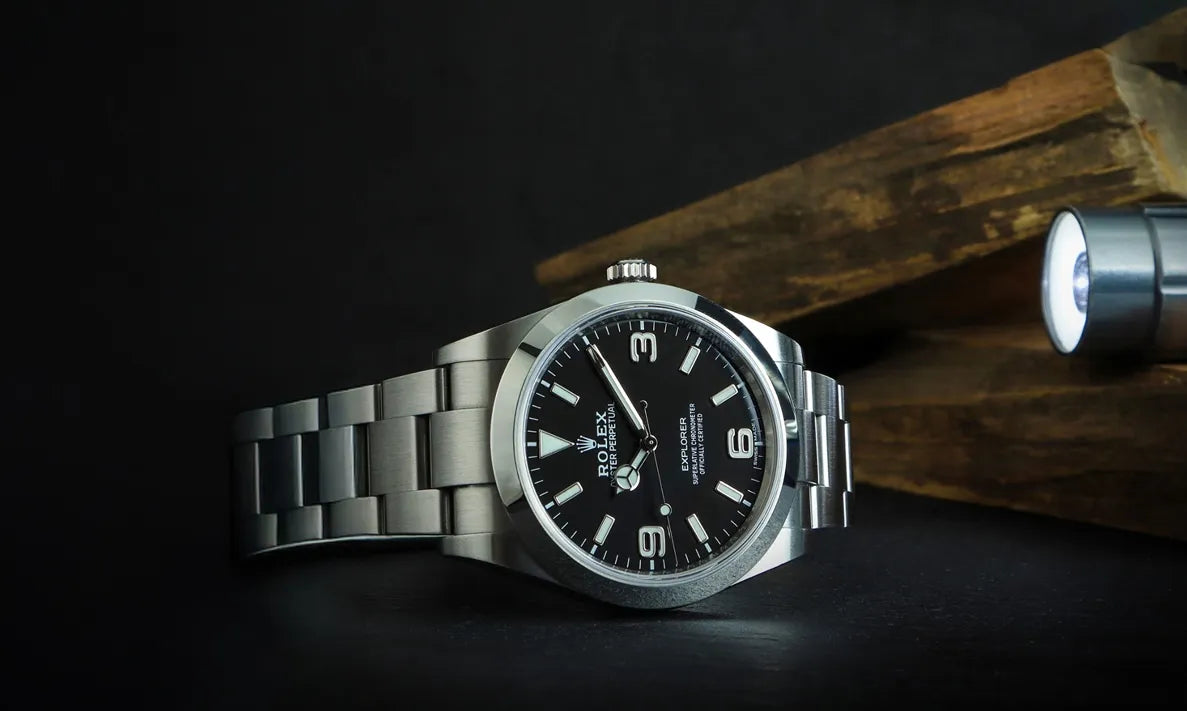

Choosing between different watch movements often comes down to how a timepiece fits into daily routines. Some people enjoy watches with added functionality and interaction, while others prefer something simple, mechanical, and easy to live with long term. That is why the conversation around Chronograph vs. Automatic Watches continues to matter heading into 2026.
Both styles remain popular across collectors, first-time buyers, and everyday wearers. Understanding how each option works and what it offers makes deciding far more comfortable and practical.
Understanding Chronograph Watches
Chronograph watches appeal to those who enjoy watches that do a little extra without losing their mechanical character.
What Is a Chronograph Watch?
Many buyers ask “What is a chronograph watch?” before making a decision. A chronograph watch includes a built-in stopwatch function that operates independently from the main time display. Using pushers on the case, the wearer can start, stop, and reset a timing function while the watch continues to track regular time.
How Chronograph Watches Work
Chronograph movements add layers of gears, levers, and sub-dials on top of the base movement. These components work together to measure elapsed time, making chronographs a favorite among enthusiasts who appreciate mechanical complexity. This added engineering continues to keep chronographs relevant in discussions about mechanical watches 2026.
Benefits of Chronograph Watches
Chronographs offer versatility. They allow timing for sports, travel, or daily tasks while also delivering a bold and technical design. Many wearers enjoy the visual depth of sub-dials and the interactive nature of the pushers.
Drawbacks of Chronograph Watches
With added functionality comes added maintenance. Chronograph movements are more complex, which can mean higher service costs and thicker cases compared to simpler watches
Understanding Automatic Watches
Automatic watches focus on balance, movement, and long-term wearability.
What Is an Automatic Watch?
Another common question is what is an automatic watch. Automatic watches wind themselves using the motion of the wearer’s wrist. Inside the case, a rotating rotor transfers energy into the mainspring, allowing the watch to run without batteries or manual winding when worn regularly.
How Automatic Watches Work
The movement relies on natural motion rather than pushers or added functions. This simplicity is part of why automatic watches remain a cornerstone of mechanical watches 2026, especially among those who appreciate understated craftsmanship.
Benefits of Automatic Watches
Automatic watches are easy to wear and versatile. They tend to be slimmer, lighter, and suitable for both casual and professional settings. Many owners value the quiet reliability and mechanical purity they offer.
Drawbacks of Automatic Watches
If an automatic watch is left unworn for several days, it may stop and require resetting. For some owners, this becomes part of the routine, while others prefer a watch that stays running regardless of wear.
Chronograph vs. Automatic Watches: Key Differences
A clear watch movement comparison helps highlight where preferences often diverge.
Functionality
Chronographs include stopwatch features, while automatic watches focus purely on timekeeping.
Movement Complexity
Chronograph movements involve more components and mechanical layers. Automatic movements rely on fewer parts, which can simplify long-term care.
Accuracy and Precision
Both movements can be highly accurate when properly maintained. Chronographs excel at measuring short intervals, while automatics deliver steady everyday performance.
Design and Aesthetics
Chronographs often appear sportier and more technical. Automatic watches usually favor cleaner dials and balanced proportions.
Maintenance and Longevity
Automatic watches often require simpler servicing. Chronographs demand more specialized care but offer added mechanical depth.

Which Watch Is Right for You in 2026?
Choosing between an automatic vs chronograph watch often depends on lifestyle and expectations.
Best for Sports and Active Lifestyles
Chronographs suit wearers who enjoy timing activities or prefer a sport-driven aesthetic.
Best for Everyday Wear
Automatic watches work well for daily routines and long-term wear across different settings.
Best for Watch Collectors
Collectors often appreciate both. Automatic watches offer heritage appeal, while chronographs add technical variety.
Best for Beginners
Automatic watches are often easier to start with due to their simplicity and versatility.
Watch Trends in 2026
Interest in mechanical craftsmanship continues to grow. Searches like chronograph vs automatic watch which is better and should I buy a chronograph or automatic watch reflect personal priorities rather than passing trends. Both movements remain relevant as wearable technology takes on time-tracking tasks elsewhere.
Choosing a Watch That Fits How You Live
Deciding between chronograph vs automatic watches becomes clearer when the focus stays on how the watch will be worn day to day. Some people enjoy interacting with their watch through added functions, while others prefer a steady, self-winding experience that quietly keeps time.
Time of Swiss helps buyers explore both styles, offering authenticated luxury timepieces and guidance based on real-world use. For those drawn to chronograph performance and refined design, browse our Rolex Daytona Oysterflex collection to see how technical function and wearability come together.
Located in Los Angeles, CA, Time of Swiss focuses on authenticity, careful selection, and helping buyers understand real-world differences through honest watch movement comparison. When a watch aligns naturally with lifestyle and expectations, the choice tends to feel right from the start.