 (213) 891-0909


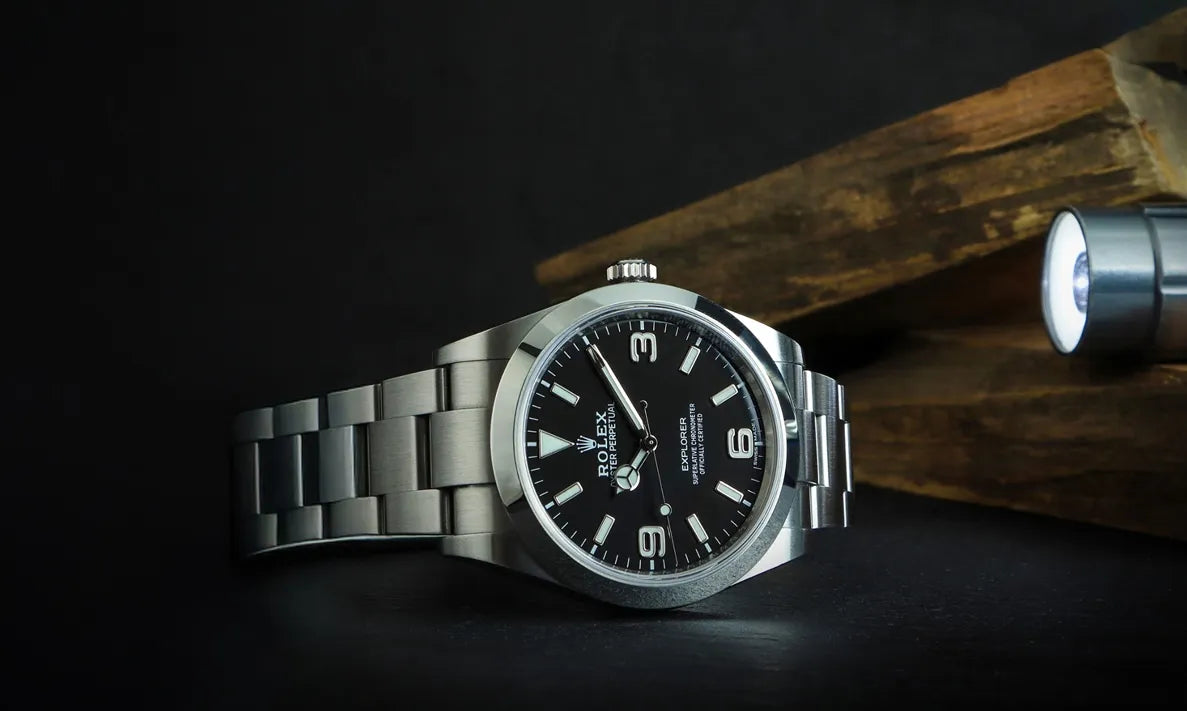

Pre-ceramic Rolex vs modern ceramic comes down to a shift in bezel material: older references use aluminum inserts that can fade and scratch over time, while modern Cerachrom ceramic bezels resist fading, scratching, and UV damage almost entirely. That single material change reshaped how Rolex sport watches age, and it continues to divide collectors between vintage character and modern durability.
Rolex introduced ceramic bezels gradually starting in the mid-2000s, and the transition wasn't instant across the lineup. Some references held onto aluminum for years after ceramic debuted elsewhere, which is part of why "pre-ceramic" isn't tied to one single date across every model. Understanding which era a specific watch belongs to matters for both authenticity and how you should expect it to look and perform over time.
This guide breaks down what actually separates the two bezel generations, which models represent each era, and how the difference affects value on the pre-owned market.
What Sets Pre-Ceramic and Modern Ceramic Rolex Bezels Apart
Pre-ceramic Rolex bezels use an anodized aluminum insert, a material that looks great when new but is vulnerable to fading from UV exposure and scratching from daily wear. Over years of use, aluminum bezels develop a distinct patina, sometimes prized by collectors, sometimes considered a flaw depending on the reference and condition.
Modern ceramic bezels, which Rolex markets under the name Cerachrom, are made from a highly scratch-resistant ceramic compound that holds its color virtually indefinitely, even under direct sunlight. The material is also more resistant to everyday knocks and scrapes than aluminum, making it far more practical for a watch intended for daily wear.
This isn't a case of one material being objectively better in every sense. Aluminum bezels have a lighter, more delicate appearance that some collectors associate with classic Rolex sport watches from earlier decades. Ceramic bezels, by contrast, have a deeper, more saturated look that many buyers now associate with the modern Rolex identity. Both have their place, and which one appeals to you often comes down to whether you're drawn to a specific era of design.
A Brief History: From Aluminum to Cerachrom
Rolex first introduced its Cerachrom ceramic bezel insert in 2005 on the GMT-Master II, marking a significant materials shift for the brand's sport watch lineup. The Submariner followed a few years later, with ceramic bezels becoming standard across most new production by the early 2010s.
This rollout wasn't uniform. Some references continued in aluminum for a period even as ceramic appeared elsewhere in the catalog, which is why collectors often refer to specific reference numbers rather than broad model names when discussing pre-ceramic versus ceramic examples. A GMT-Master II from just before the ceramic transition, for instance, can look nearly identical at a glance to a slightly later ceramic version, but the two are treated very differently by collectors.
Rolex's decision to move toward ceramic reflected a broader shift in the brand's priorities: durability and long-term wearability over the softer patina that comes with aging aluminum. This mirrors similar materials advances Rolex made elsewhere in its lineup over the same period, as the brand increasingly positioned its sport watches as tools built to withstand decades of daily use without visible wear.
Explore our authenticated Rolex collection at Time of Swiss to compare pre-ceramic and modern ceramic examples side by side.
Key Differences Compared
Beyond the basic material swap, several practical differences separate how these two bezel generations perform and age.
Scratch and Impact Resistance
Ceramic is dramatically more scratch-resistant than aluminum, which is one of the most immediately noticeable differences in daily wear. An aluminum bezel can pick up fine scratches from routine use within months, while a ceramic bezel often looks nearly new after years of regular wear.
Fade Resistance and Color Stability
Aluminum inserts are prone to fading, particularly on bright colorways like blue or red, when exposed to consistent sunlight. Ceramic resists this almost entirely, holding its original color under conditions that would visibly fade an aluminum insert within a few years.
Aesthetic and Collector Appeal
This is where opinions genuinely split. Some collectors love the way aluminum bezels age, developing a distinct look that reflects the watch's history and use. Others prefer the crisp, uniform appearance ceramic maintains indefinitely, especially for a watch meant to look sharp for decades of daily wear.
Maintenance and Long-Term Care
Aluminum bezels require a bit more thought if you want to preserve their appearance, since prolonged sun exposure and rough handling will accelerate fading and scratching. Ceramic bezels are largely maintenance-free by comparison. They can still chip from a hard, direct impact, but day-to-day care is far less of a concern, which appeals to buyers who want a watch they can wear without babying it.
|
Feature |
Pre-Ceramic (Aluminum) |
Modern Ceramic (Cerachrom) |
|
Scratch resistance |
Lower, shows wear over time |
Very high, resists most daily scratches |
|
Fade resistance |
Fades with UV exposure |
Holds color virtually indefinitely |
|
Aesthetic over time |
Develops patina and character |
Stays crisp and uniform |
|
Typical era |
Pre-2005 through early 2010s (varies by model) |
Mid-2000s onward, standard by early 2010s |
Read more: the Rolex GMT-Master II Root Beer guide to see one of the earliest widely recognized Cerachrom bezel references.
Which Models Represent Each Era
Because Rolex phased in ceramic gradually, the same model line can include both pre-ceramic and modern ceramic examples depending on the specific reference and production year. Knowing which reference numbers fall on which side of the transition is essential if you're trying to buy, sell, or simply identify a specific watch with confidence.
|
Model Line |
Pre-Ceramic Era Example |
Modern Ceramic Example |
|
Submariner |
Aluminum bezel references produced before roughly 2008 to 2010 |
Cerachrom references from approximately 2010 onward |
|
GMT-Master II |
Aluminum two-tone bezel references before 2005 |
Cerachrom two-tone references, including the Root Beer and Batman |
|
Daytona |
Aluminum-adjacent early bezel designs on older references |
Ceramic bezel introduced in 2016 across most Daytona production |
Read more: the Rolex Smurf guide for a closer look at one of the most iconic modern Cerachrom Submariner references.
Reference numbers, rather than model names alone, remain the most reliable way to confirm which era a specific watch belongs to. Two watches marketed under the same general model name can sit on opposite sides of the ceramic transition, so cross-checking the exact reference against known production timelines is a habit worth building if you collect or trade Rolex sport watches regularly.
Investment and Collector Value: Pre-Ceramic vs Modern Ceramic
Value between the two eras doesn't follow a simple "newer is worth more" rule. Certain pre-ceramic references, particularly those tied to a specific transitional period or discontinued colorway, have developed strong collector followings precisely because they represent the end of an era. Well-preserved aluminum bezel examples with minimal fading can command a real premium among collectors chasing originality and character.
Modern ceramic references, meanwhile, tend to hold value well due to their durability and broad appeal to buyers who want a watch that looks new for decades without careful babying. Ceramic bezels that reference continuously produced model lines generally see steady demand, since the material itself removes concerns on common conditions buyers worry about.
Condition assessment also looks different between the two eras. With aluminum bezels, buyers and appraisers pay close attention to fading consistency and scratch depth, since these details affect both authenticity checks and overall value. With ceramic, the focus shifts more toward chip damage and confirming the bezel matches the watch's original reference, since replacement ceramic inserts exist and aren't always disclosed by sellers.
Read more: a guide to selling your luxury watches if you're deciding whether now is the right time to sell a pre-ceramic piece.
Where to Buy Pre-Ceramic or Modern Ceramic Rolex Watches
Whether you're drawn to the character of an aluminum bezel or the low-maintenance durability of ceramic, buying on the pre-owned market means verifying that the bezel matches the watch's documented era and reference. A mismatched bezel, whether swapped for cosmetic reasons or as a replacement part, can affect both authenticity and value.
Time of Swiss independently authenticates every watch in our Los Angeles showroom collection, confirming that the bezel, case, and movement are consistent with the reference's documented production era. We are not an authorized Rolex dealer, but our verification process is built to catch exactly these kinds of inconsistencies before a watch reaches a customer, whether that means confirming an aluminum bezel's originality or verifying a ceramic insert hasn't been swapped from a different reference.
Explore our Submariner collection and GMT-Master II collection to compare available pre-ceramic and ceramic examples.
Which Should You Choose?
Pre-ceramic Rolex vs modern ceramic ultimately comes down to what you value more: the character and history of an aluminum bezel that ages with you, or the low-maintenance durability of a ceramic bezel that looks sharp indefinitely. Neither choice is objectively better. It depends on whether you're drawn to a specific era's design and story, or you'd rather not think about bezel condition at all.
Sell or Trade Your Watch If you're looking to sell your luxury watch or find out what it's worth, Time of Swiss offers free, no-obligation evaluations. Get started here.
Frequently Asked Questions: Pre-Ceramic Rolex vs Modern Ceramic
What is the difference between a pre-ceramic and ceramic Rolex bezel?
Pre-ceramic bezels use an anodized aluminum insert that can fade and scratch over time, while modern ceramic Cerachrom bezels resist fading and scratching almost entirely. The material change happened gradually across Rolex's lineup starting in the mid-2000s, so the exact cutoff varies by model and reference.
When did Rolex switch from aluminum to ceramic bezels?
Rolex introduced its first Cerachrom ceramic bezel in 2005 on the GMT-Master II, with other model lines transitioning over the following several years. Most of the sport watch lineup had moved to ceramic by the early 2010s, though a few references held onto aluminum longer than others.
Are pre-ceramic Rolex watches worth more than ceramic ones?
Not necessarily. Value depends heavily on the specific reference, condition, and collector demand rather than bezel material alone. Some pre-ceramic references have developed strong followings for their character and rarity, while many modern ceramic references hold value well due to their durability and broad appeal.
Does a ceramic Rolex bezel scratch or fade?
Ceramic bezels are highly resistant to both scratching and fading compared to aluminum, though they aren't completely indestructible. Sharp impacts can still chip a ceramic bezel, but everyday wear and sun exposure have a far smaller visible effect than they do on aluminum.
Where can I find an authenticated pre-ceramic or ceramic Rolex?
Time of Swiss offers a curated, independently authenticated collection of pre-owned Rolex watches spanning both the pre-ceramic and modern ceramic eras. Every watch is thoroughly inspected before sale, so you can shop confidently whether you're after vintage character or modern durability.