 (213) 891-0909


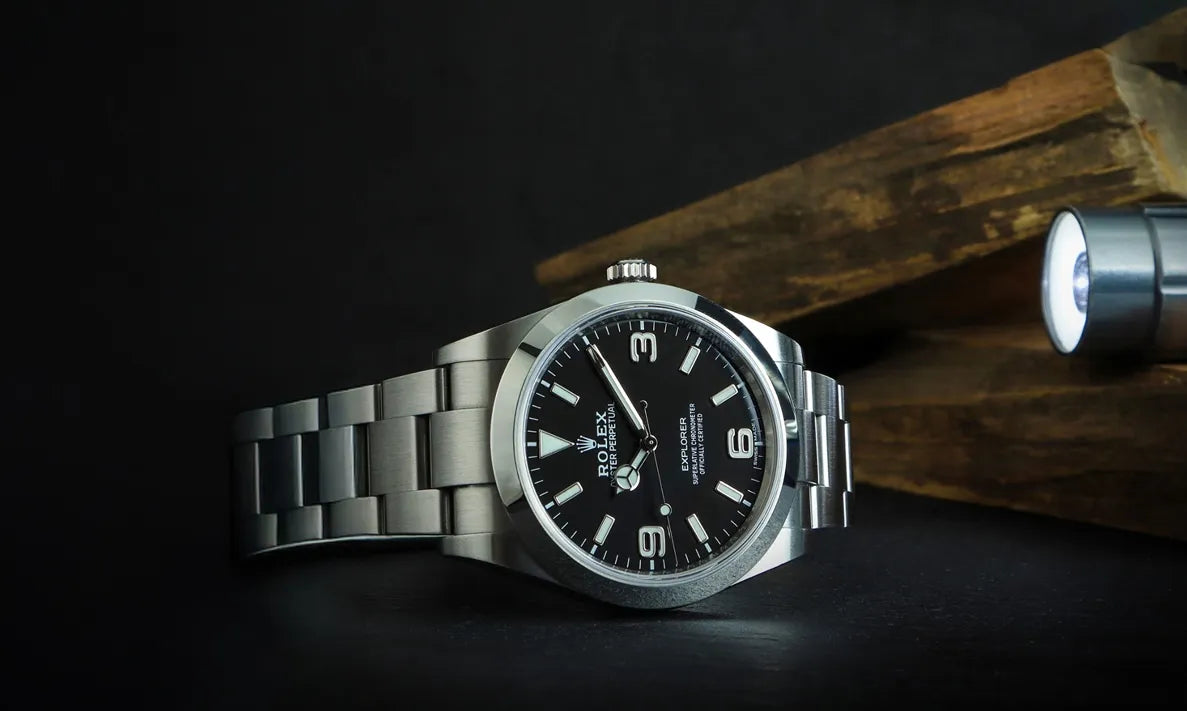

Rolex ownership tips generally come down to four things: wearing the watch within its water resistance rating, keeping it away from strong magnets, storing it properly when it's off your wrist, and sticking to a realistic service schedule. Get those right, and a Rolex will comfortably outlast its owner.
Whether you just picked up your first Datejust or you've been collecting for years, the difference between a watch that holds its value and one that needs costly repairs usually comes down to habits, not luck. This guide walks through what actually matters day-to-day, plus what to know before buying or servicing a pre-owned piece.
None of this requires being precious about the watch. Rolex builds these pieces to be worn through travel, workouts, and daily life, and the goal is simply to understand where the real limits are rather than guess.

What Every Rolex Owner Should Know
A Rolex is engineered to be worn, not babied, but "worn" still has limits. The case is rated for a specific level of water resistance, the movement is shielded against magnetism only up to a point, and the bracelet or strap needs occasional attention regardless of how well-built it feels. None of these are flaws; they're just specs that owners sometimes overlook.
The good news is that most Rolex ownership tips apply across the entire lineup, whether you own a steel Submariner or a vintage Datejust. The exceptions tend to be model-specific water resistance ratings and service intervals, which is worth knowing before you commit to a piece from our curated Rolex collection.
It also helps to remember that a Rolex is a mechanical instrument first. Every movement, no matter how refined, has moving parts that benefit from regular attention, which is a different mindset than treating the watch like a piece of jewelry that never needs maintenance.
Daily Care and Wearing Tips
Most day-to-day care comes down to three areas: water exposure, magnetic fields, and basic cleaning. None of them requires special tools or a trip to a watchmaker, just a bit of awareness while you're wearing the watch.
Water Resistance and Moisture
Every Rolex is rated for a specific depth, but that rating assumes the case back, crystal, and crown gaskets are all in good condition. Always screw the crown down fully after setting the time or date, since an unscrewed crown is the most common way water gets past an otherwise water-resistant case. Showering and swimming are fine on most modern Rolex models, but hot tubs and saunas are not, as rapid temperature swings can over time affect gasket seals.
|
Rating |
Suitable For |
|
30m to 50m |
Splashes, handwashing, light rain |
|
100m |
Swimming and snorkeling |
|
300m (Submariner) |
Recreational scuba diving |
|
1,220m (Sea-Dweller) |
Professional and saturation diving |
Magnetism
Modern Rolex movements use a Parachrom hairspring that resists magnetism far better than older calibers, but they're not immune. Keep your watch away from phone cases with magnetic clasps, laptop speakers, and induction chargers, all common sources of everyday magnetism that can cause a watch to run fast. If your Rolex suddenly starts gaining several seconds a day, magnetism is usually the first thing to check before assuming the movement needs service.

Bracelet and Case Care
Metal bracelets pick up skin oils, sweat, and debris that build up between the links over time, particularly on Oyster and Jubilee bracelets. Wipe the case and bracelet down with a soft cloth after wear, and save deep cleaning for routine servicing rather than ultrasonic cleaners at home, which can loosen gaskets if used incorrectly.
Storage and Winding
Automatic Rolex movements run on wrist motion, so a watch that sits untouched for more than a day or two will wind down and stop. That's not harmful on its own; modern Rolex calibers handle being stopped and restarted without issue, but if you rotate between several watches, a winder keeps an automatic running and saves you from resetting the date every time you pick it up.
If you'd rather not use a winder, resetting the time and date by hand is perfectly fine. Just avoid setting the date between roughly 9 pm and 3 am, when the date-change mechanism is mid-cycle on most models, and forcing it can damage the gears.
Store the watch in a cool, dry place away from direct sunlight, which can fade certain dial colors over the years of exposure. Humidity matters more than most owners realize, since trapped moisture is one of the more common causes of internal corrosion that dealers see during servicing.
Traveling with a Rolex is generally safe through airport security and X-ray scanners, which don't generate the kind of magnetic field that affects its movement. The bigger risk on a trip is usually a hotel safe with a magnetic locking mechanism, so it's worth keeping the watch on your wrist or in a separate pouch instead.
Servicing and Maintenance
Rolex recommends servicing roughly every 10 years for modern automatic models under normal use, though that interval shortens for vintage manual-wind pieces or watches worn daily in physically demanding conditions. A full service typically includes disassembly, cleaning, lubrication, parts replacement as needed, case and bracelet refinishing, and a pressure test to confirm water resistance.
|
Watch Type |
Recommended Interval |
Why |
|
Vintage manual-wind (pre-1980s) |
Every 3 to 5 years |
Older lubricants and parts wear faster |
|
Modern automatic (2000-present) |
Every 5 to 10 years |
Improved lubricants and updated components |
|
Heavy daily wear |
Shorter end of the range |
More cumulative wear on the movement |
|
Rarely worn |
Check yearly regardless |
Gaskets can dry out even when unworn |
Skipping service isn't a way to save money long term. Dried-out lubricant increases wear on gear teeth and pivots, turning a routine service into a parts-replacement bill. Our guide to how often you should service a Rolex breaks down the signs that a specific watch needs attention sooner.
Service costs vary by model and the work required, but a baseline movement service on a steel sports model typically runs into several hundred dollars, with precious metal cases or replacement parts adding to that total. Getting a written estimate before work begins avoids surprises on the final bill.
Buying Pre-Owned: What to Check Before You Buy
Most Rolex ownership tips assume you already own the watch, but a lot of future headaches start at the point of purchase. Confirm the reference number matches the dial, bracelet, and movement, since mismatched parts usually mean the watch has been serviced with non-original components at some point.
Ask for service history and original papers when available, and buy from a dealer who authenticates in-house rather than relying solely on the seller's word. Every watch that comes through Time of Swiss is independently authenticated before listing, and if you're after a specific reference, our watch sourcing service can help track one down.
Inspect the case back and lugs for over-polishing, which rounds off the sharp edges Rolex originally machined and can meaningfully affect resale value down the line. Browsing a curated collection of pre-owned watches side by side is one of the easier ways to train your eye on what original condition actually looks like.
Watch for pricing that sits noticeably below comparable listings, vague photos that avoid showing the case back or movement, and sellers unwilling to answer specific questions about service history. None of these automatically means a watch is misrepresented, but together they're worth treating as a reason to look closer before paying.
Protecting Your Investment
A documented service history and original box and papers add real value beyond the watch itself, especially if you ever decide to sell. Insuring a Rolex separately from a standard homeowner's policy is worth considering, too, since most homeowner policies cap jewelry and watch claims well below replacement value.
Photographing the watch, case back engravings, and any paperwork at the time of purchase creates a simple record that's useful for insurance claims or future resale, and it costs nothing but a few minutes.
If you're ever ready to sell or simply want a no-obligation valuation, Time of Swiss offers free evaluations for owners looking to trade up or cash out entirely.
Where to Buy, Service, or Sell Your Rolex
Los Angeles has one of the more active pre-owned watch markets in the country, and Time of Swiss has been part of it since 1990. Whether you're buying your first Rolex or adding to an existing collection, working with a dealer who authenticates and buys back watches under one roof simplifies the entire ownership experience.
Take a look at our newest arrivals to see what's currently available, or visit our showroom to handle a few references in person before deciding.

Owning a Rolex Without the Guesswork
The watch is built to handle decades of regular wear. The only real risk is neglecting the basics: water resistance limits, magnetism, storage, and a realistic service interval. Most Rolex ownership tips boil down to consistency: wear it within its limits, store it properly when it's off your wrist, and don't skip service just because it's still running.
Get those habits right, and the watch will comfortably outlast its original owner.
Sell or Trade Your Watch. If you're looking to sell your luxury watch or find out what it's worth, Time of Swiss offers free, no-obligation evaluations. Get started here.
Frequently Asked Questions
How often should I service my Rolex?
Most modern automatic Rolex models should be serviced every 5 to 10 years, while vintage manual-wind pieces typically need attention every 3 to 5 years.
Heavy daily wear, exposure to saltwater, or noticeable timekeeping drift are all reasons to move toward the shorter end of that range. When in doubt, have a dealer or watchmaker take a look rather than waiting for a visible problem.
Can I shower or swim with my Rolex?
Most modern Rolex models can handle showering and swimming, as long as the crown is fully screwed down and the gaskets are in good condition.
Hot tubs and saunas are the exception, since rapid temperature changes can stress the gaskets even on a watch rated for deep water resistance. If the case back or crystal hasn't been checked in several years, it's worth confirming the seals are still intact before assuming full water resistance.
Do I need to wind my Rolex if I'm not wearing it every day?
No, but an automatic Rolex will stop running if it sits untouched for more than a day or two, which just means resetting the time and date when you pick it up again.
A watch winder is convenient if you rotate between several pieces, but it's not required for the watch's health. Manually resetting the time costs nothing except a minute of effort; just avoid adjusting the date late at night when the mechanism is mid-cycle.
How do I know if my Rolex needs immediate attention?
Visible moisture under the crystal, a loose or grinding crown, or a sudden change in timekeeping accuracy are all signs that warrant a prompt visit to a watchmaker.
None of these issues is an emergency in the sense of needing same-day repair, but waiting months can turn a simple fix into a more expensive one, particularly if moisture has already reached the movement.
Where can I get my Rolex authenticated or serviced?
Time of Swiss authenticates every pre-owned Rolex that comes through our Los Angeles showroom and can point you toward trusted servicing for watches you already own.
If you're buying, every piece in our collection has already been independently inspected before it's listed. If you're simply trying to understand what your current watch is worth or whether it needs service, our team is a straightforward resource either way.