 (213) 891-0909


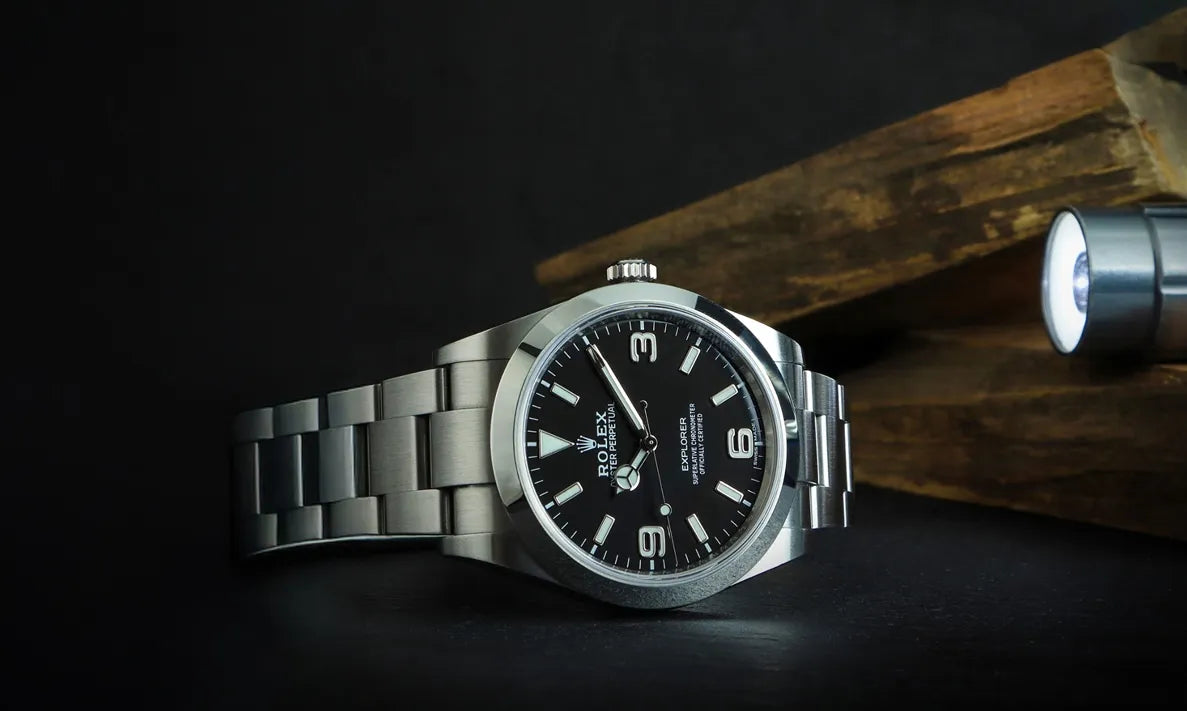

Have you ever wondered what actually powers a Rolex watch? When people talk about the prestige of Rolex, they often focus on the design, the brand name, or the price. But the real magic is happening inside the watch itself.
That’s where the movement comes in. If you’re searching for Rolex movement types explained, you’re really asking about the mechanical system that keeps the watch running. The movement controls the hands, manages complications like the date or chronograph, and determines how accurate and reliable the watch will be.
So what movement does Rolex use, and how does it work? Most Rolex watches rely on a mechanical automatic system, meaning they are powered by motion instead of batteries. These Rolex watch movements are developed in-house and engineered for durability, precision, and longevity.
Understanding the difference between Rolex movement types can help you appreciate why collectors often focus on the movement just as much as the watch design.
What Is a Rolex Movement?
A Rolex movement is the internal mechanism that powers the watch. Think of it as the engine inside the case. It’s made up of hundreds of tiny components working together to measure time accurately.
When people ask for a Rolex mechanical movement explained, they’re referring to this intricate system of gears, springs, and oscillating parts that regulate timekeeping.
Unlike quartz watches that use batteries, Rolex watches typically rely on automatic Rolex movement technology. This means the watch winds itself using the motion of the wearer’s wrist.
So instead of replacing batteries, the movement keeps running as long as it’s worn regularly.
Main Types of Rolex Movements
There are several types of Rolex calibers, each designed for a specific purpose. While they share the same engineering philosophy, they offer different functions depending on the watch model.
1. Automatic (Perpetual) Movements
The most common Rolex movement is the automatic Rolex movement, also known as the Perpetual movement.
Key features include:
-
Self-winding rotor powered by wrist motion
-
Power reserve typically between 48 and 70 hours
-
No battery required
-
Designed for long-term reliability
If you’ve ever asked how Rolex automatic movements work, the answer lies in the rotor. Inside the watch, a semi-circular weight spins as your wrist moves. That motion winds the mainspring, storing energy that powers the watch.
This system makes automatic Rolex movements extremely practical for everyday wear.
2. Chronograph Movements
Chronograph movements power watches that include stopwatch functions. Rolex’s most famous chronograph model is the Daytona.
These movements allow the wearer to measure elapsed time using pushers on the case and subdials on the watch face.
Key features include:
-
Start and stop timing pushers
-
Subdials for tracking seconds and minutes
-
Greater mechanical complexity
If you're comparing movement types, this guide may help:
Chronograph vs Automatic Watches: What to Choose in 2026
3. GMT Movements
GMT movements are designed for travelers and professionals who need to track multiple time zones.
They include:
-
A 24-hour GMT hand
-
Rotating bezel for time zone tracking
-
Dual time zone display
The Rolex GMT-Master II is one of the most famous watches featuring this type of movement.
Rolex Movement Type Comparison
To better understand the difference between Rolex movement types, here’s a quick comparison of the most common categories.
|
Movement Type |
Power Source |
Key Feature |
Best For |
|
Automatic (Perpetual) |
Wrist movement |
Self-winding system |
Everyday luxury wear |
|
Chronograph |
Mechanical automatic |
Stopwatch timing |
Sports and precision timing |
|
GMT |
Mechanical automatic |
Dual time zone tracking |
Travelers and professionals |
Each of these Rolex watch movements reflects a different purpose while maintaining the brand’s focus on precision and durability.

Why Rolex Movements Are Highly Respected
Why are Rolex movements so respected in the watch world? It comes down to engineering, consistency, and decades of refinement.
Perpetual Rotor System
The Perpetual rotor is central to how Rolex automatic movements work. This rotor converts wrist movement into stored energy, allowing the watch to wind itself continuously.
This system helps maintain consistent performance without manual winding.
Parachrom Hairspring
Rolex developed the Parachrom hairspring to improve resistance to magnetic fields and temperature fluctuations.
This innovation helps protect the movement’s accuracy in real-world conditions.
Superlative Chronometer Certification
Rolex watches undergo strict performance testing to earn Superlative Chronometer certification. This standard ensures that the watch maintains extremely high levels of precision.
This level of quality control contributes to Rolex’s reputation for producing the best Rolex movement for reliability.
Take a broader look at Swiss watchmaking craftsmanship here.
Expert Tips When Choosing a Rolex Movement
Choosing between different types of Rolex calibers often depends on how you plan to use your watch.
1. Consider Your Lifestyle
Do you want a watch for daily wear, travel, or sports timing? An automatic Rolex movement works well for everyday use, while GMT or chronograph models offer additional functions.
2. Focus on Reliability
Many collectors look for the best Rolex movement for reliability, which often means choosing proven automatic calibers that have been refined over many years.
3. Understand Complications
Complications refer to additional functions beyond timekeeping. Chronographs measure elapsed time, while GMT movements track multiple time zones.
Understanding these features helps you choose the right movement.
4. Think Long-Term
Rolex watches are designed to last for decades. Choosing the right movement type ensures the watch remains useful and enjoyable long into the future.

Finding the Right Rolex Movement for Your Lifestyle
Understanding Rolex movement types explained gives you a deeper appreciation of what makes these watches special. The movement is more than just a mechanism. It’s the heart of the watch, responsible for accuracy, durability, and the overall experience of wearing a Rolex.
Automatic movements provide everyday convenience. Chronograph movements deliver precise timing functions. GMT movements help travelers stay connected across time zones. Once you understand the difference between Rolex movement types, it becomes much easier to identify which watch fits your lifestyle.
If you’re exploring different Rolex watch movements and looking for guidance on choosing the right model, Time of Swiss offers a curated selection of authentic luxury watches along with expert insights. Our collection makes it easier to compare models, understand the types of Rolex calibers, and find a timepiece that matches your preferences and daily routine. Visit us today.
FAQs
What movement does Rolex use?
Rolex primarily uses in-house mechanical automatic movements, also known as self-winding calibers. These movements are powered by wrist motion rather than batteries.
Are Rolex movements mechanical or quartz?
Most Rolex watches use mechanical automatic movements. Quartz models are extremely rare within the brand’s lineup.
What is the most reliable Rolex movement?
Many collectors consider Rolex automatic calibers among the best Rolex movement for reliability because of their durability and long-term accuracy.
How long does a Rolex movement last?
With proper maintenance, a Rolex movement can last for decades and often functions reliably for generations.
Do Rolex watches need regular servicing?
Yes. Rolex recommends servicing a watch approximately every 5–10 years to maintain optimal accuracy and performance.