 (213) 891-0909
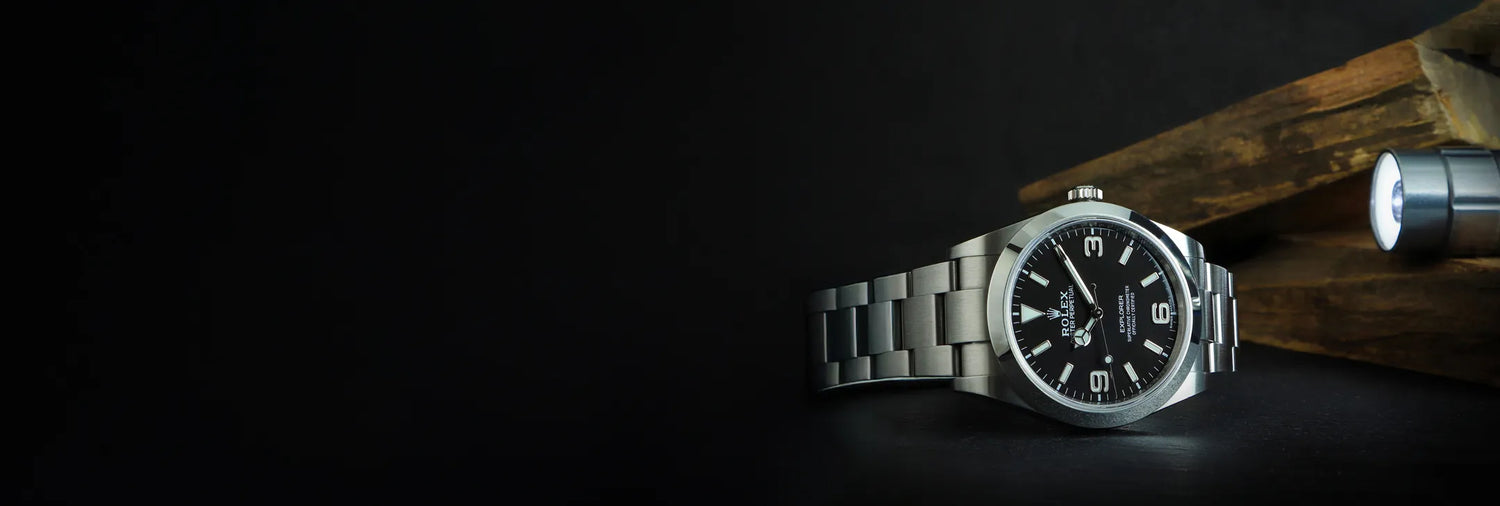

Tudor and Rolex were both founded by Hans Wilsdorf and are still owned by the same foundation, but they are separate brands with separate movements, materials, and price points. The short version: Rolex wins on finishing, brand power, and resale value, while Tudor delivers most of the real-world capability for less than half the price.
That makes Tudor the better value proposition for a lot of buyers. Saying so might sound odd coming from a store that sells plenty of Rolex, but it's the honest answer, and the right watch depends on what you actually want from it.
Here's what separates the two in the Tudor vs Rolex decision, where the gap is real, and where it's mostly the name on the dial.
The Shared History Behind Tudor and Rolex
Rolex founder Hans Wilsdorf had the "Tudor" name registered in 1926 and established Montres Tudor SA in 1946. His idea was straightforward: offer watches with Rolex-level dependability at a more accessible price.

For decades, Tudor did that by putting third-party movements inside Rolex-made cases, crowns, and bracelets. Early Tudor Submariners even carried Rolex-signed crowns and casebacks, which is why vintage pieces are so collectible today.
The modern Tudor is a different company. It launched the Black Bay in 2012, introduced its first in-house movement in 2015, and now runs its own movement manufacturer, Kenissi, which also supplies movements to other brands. Tudor today isn't a cheaper Rolex. It's a sister brand with its own design language and engineering.
Both brands are owned by the Hans Wilsdorf Foundation, so the answer to "Is Tudor still owned by Rolex?" is effectively yes, through shared ownership rather than as a sub-label.
Tudor vs Rolex Side by Side
The quickest way to see the gap is to put the core specs next to each other.
|
Factor |
Tudor |
Rolex |
|
Founded |
Name registered 1926, company 1946 |
1905 |
|
Movements |
In-house MT calibres (via Kenissi), some partner-based chronograph movements |
Fully in-house calibres |
|
Accuracy standard |
METAS Master Chronometer 0/+5 sec/day on many current models; COSC on others |
Superlative Chronometer -2/+2 sec/day, tested after casing |
|
Case steel |
316L stainless steel |
Oystersteel (904L family) |
|
Warranty |
5 years, transferable, no registration |
5 years, transferable |
|
Entry price (2026 US retail) |
Roughly $3,250 to $4,500 |
Roughly $6,000 to $7,000 |
|
Signature dive watch |
Black Bay 58, about $4,500 |
Submariner No-Date, about $10,050 |
|
Pre-owned value |
Usually trades below retail |
Steel sport models often at or above retail |
Retail prices are approximate 2026 US figures and change with Rolex and Tudor's annual increases.
Where Rolex Earns Its Premium
The extra money buys real things, even if they matter more to some buyers than others.
Finishing and Bracelets
Put a Submariner next to a Black Bay and the difference shows up in the details: sharper case edges, crisper dial printing, and a bracelet that feels more refined. Rolex's Glidelock and Easylink extensions are excellent, though Tudor's T-fit clasp has closed much of that gap with its tool-free micro-adjustment.
Movements and Accuracy
Rolex builds every calibre in-house and tests each finished watch to -2/+2 seconds per day, one of the tightest standards in the industry. Rolex movements also carry proprietary components like the Parachrom hairspring. Tudor's newer models are certified METAS Master Chronometer, rated 0/+5 seconds per day with 65-hour power reserve and strong magnetic resistance, which is genuinely impressive at the price. In daily wear, most owners won't notice the difference.
Read more: Rolex movement types explained
Brand Recognition and Resale
This is the biggest gap, and it isn't close. A Rolex is recognized everywhere, and popular steel sport models often sell pre-owned at or above retail. Tudor watches usually trade below retail on the secondary market, commonly in the 10% to 20% range depending on the model. If holding value matters to you, Rolex has a clear advantage.
Shop: authenticated pre-owned Rolex watches
Where Tudor Is the Better Buy
For many people weighing Tudor vs Rolex, this is the section that decides it.
Value for Money
A Black Bay 58 costs well under half the price of a Submariner and gives you an in-house, chronometer-certified movement, 200 meters of water resistance, and a warranty that matches Rolex's. You're getting perhaps 85% to 90% of the experience for around 45% of the price. That ratio is hard to argue with.
Design That Isn't Trying to Be Rolex
Tudor has its own identity now. The snowflake hands, the Black Bay vintage-inspired cases, the titanium Pelagos, and smaller sizes like the 37mm Black Bay 54 give Tudor a character that stands on its own. Many collectors simply prefer how Tudor looks.
Availability
You can walk into a shop and buy most Tudor references. Popular Rolex sport models have historically meant waitlists or paying over retail on the secondary market. If you want to buy a watch today and wear it tomorrow, Tudor is easier.
A Watch You'll Actually Wear Hard
Plenty of owners feel more comfortable wearing a Tudor to the beach, the gym, or a job site. Losing or scratching a $4,500 watch hurts less than doing the same to a $10,000 one. That freedom is a real benefit people underrate.
Comparable Models: Which Tudor Matches Which Rolex?
If you're weighing a specific style, here's how the lineups line up.
|
If You Like This Rolex |
Consider This Tudor |
Key Difference |
|
Submariner |
Black Bay 58 or Pelagos |
Tudor is lighter (Pelagos titanium) and far cheaper; Rolex has the stronger resale |
|
GMT-Master II |
Black Bay GMT or Black Bay 58 GMT |
Both offer a jumping local hour for travel; Rolex adds a ceramic bezel and stronger resale |
|
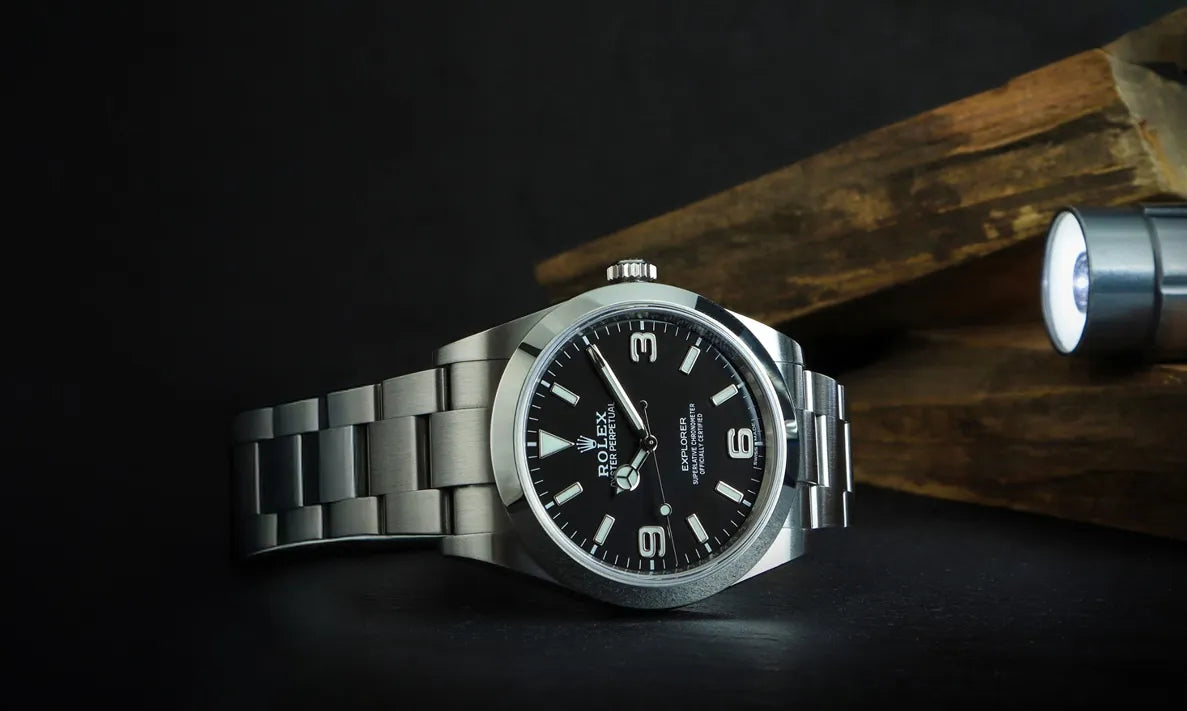
Explorer |
Ranger |
Very similar tool-watch spirit; the Ranger costs roughly half |
|
Daytona |
Black Bay Chrono |
Tudor's Chrono costs a fraction of the Daytona and is far easier to buy |
|
Oyster Perpetual |
Black Bay 54 or Royal |
Tudor offers smaller, simpler sizes at a lower entry point |
What About Buying Pre-Owned?
The pre-owned market shifts the Tudor vs Rolex math in interesting ways. Because Tudor trades below retail, a pre-owned Tudor is an even stronger value: you get a near-new watch at a meaningful discount, and much of the depreciation has already happened.
Pre-owned Rolex works differently. You may pay close to or above retail for in-demand steel references, but you skip the waitlist, choose the exact reference and year you want, and keep strong resale potential. Discontinued references, like older Submariners and GMT-Masters, are only available pre-owned anyway.
Read more: how much is a Rolex in 2026
Whichever brand you choose, buy from a dealer who authenticates every watch and tells you exactly what's included.
Explore: new pre-owned arrivals at Time of Swiss
Who Should Buy a Tudor, and Who Should Hold Out for Rolex
Our honest take: if you want a well-built Swiss watch to wear daily and you're not focused on resale, Tudor is the smarter buy for most people. It's not a consolation prize. It's a strong watch on its own merits, and the money you save can go toward a second watch, or a future Rolex.
Rolex is the right call if you want the most refined finishing, the strongest name recognition, and a watch that holds its value as well as any steel watch on the market. For a milestone purchase or something you plan to pass down, those things carry real weight.
The Tudor vs Rolex debate gets heated online because people treat it as a status question. It's really a question of what you value: Tudor gives you more watch per dollar, and Rolex gives you more of everything else.

Read more: the best entry-level luxury watches for first-time buyers
Shop: pre-owned Rolex Submariner watches
Tudor vs Rolex FAQs
Is Tudor still owned by Rolex?
Yes, in effect. Both brands are owned by the Hans Wilsdorf Foundation.
Tudor operates as its own brand with its own movements, designs, and pricing, but it shares ownership and heritage with Rolex.
Is Tudor considered a high-end watch?
Yes. Tudor is a respected Swiss luxury brand, positioned below Rolex and above most entry-level Swiss makers.
Many current models use in-house, METAS-certified movements, which puts Tudor's technical spec ahead of many watches that cost more.
What watch is the "poor man's Rolex"?
Tudor often gets that nickname, but it no longer fits.
The label comes from Tudor's early years using Rolex cases with outside movements. Modern Tudor has its own movements and design identity, and many buyers choose it outright rather than as a fallback.
Why do people buy Tudor instead of Rolex?
Mostly value, availability, and design.
Tudor delivers much of Rolex's durability and accuracy for less than half the price, most models are easy to buy, and many collectors genuinely prefer Tudor's look.
Do Tudor watches hold their value like Rolex?
No. Tudor usually trades below retail on the pre-owned market, while popular Rolex steel models often hold or exceed retail.
That's the biggest practical difference between the two. If resale is a priority, Rolex has the edge. If you're buying to wear, Tudor's lower entry price often matters more.